TOPIC COLLECTION
Electrical power
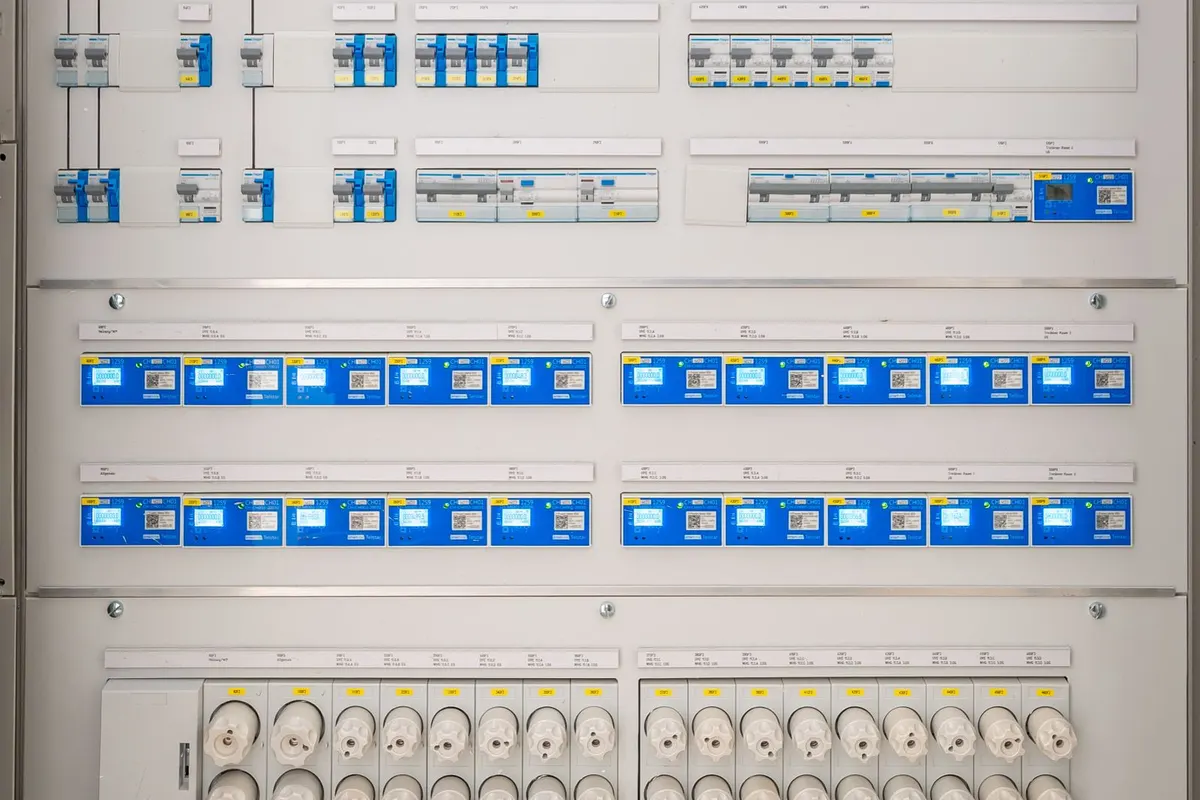
Watts alone do not define a safe circuit. Voltage, phase, power factor, starting behaviour, duty, route and the applicable wiring rules must be considered together.
A practical starting point
LEARN THE SYSTEM
More guides in this topic
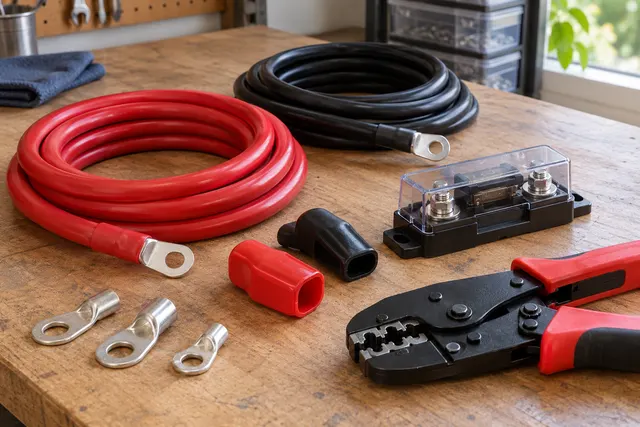
Plan the low-voltage DC path from battery to inverter
Turn load power into current, voltage drop and runtime without treating a calculator as a cable design.
Read an electricity import record without confusing energy, power and a bill
Keep register identity, units and timestamps together, compare matched periods and separate imported electricity from on-site generation and billing adjustments.
USE THE NUMBERS
Calculators in this topic
DC cable voltage drop
Estimate copper-cable voltage drop, percentage loss and heat at a steady current.
Inverter DC input current
Convert an AC load and inverter efficiency into approximate battery-side power and current.
Battery runtime from a steady load
Estimate ideal runtime from nominal energy, usable fraction, inverter efficiency and load.
Inverter running and motor-start screen
Compare one documented motor start plus other loads with derated continuous and surge inverter ratings.
DC cable area for a voltage-drop target
Estimate the copper conductor area needed to keep steady DC voltage drop below a chosen percentage.
Single-phase AC load current
Convert real input power, voltage and power factor into apparent power and approximate steady current.
Single-phase copper voltage-drop screen
Estimate the resistive part of voltage drop and cable heat for a two-conductor single-phase run.
Grid import from two electricity meter readings
Calculate the change in one cumulative import register, its daily average, mean imported power and an entered-rate energy charge. This is not a complete bill or household demand model.